
CompanyWatch: Apple Reaffirms Separate macOS and iPadOS Paths After Touch MacBook Pro Speculation
Apple is not planning to merge macOS and iPadOS. In its fiscal 2026 Q4 earnings call, John Ternus said Apple has no plan for a fundamental change, even after the company introduced its first touchscreen MacBook Pro. The answer closes a recurring speculation cycle and tells readers that ecosystem continuity, not one operating system, remains Apple's preferred path.
CompanyWatch reads the comment as more than a product clarification. It is a governance and strategy signal from Apple's new CEO at his first earnings call. The company has kept Mac and iPad separate for years while increasing software overlap. Investors and channel partners should therefore track feature placement, device positioning and revenue mix rather than waiting for a single unification announcement.
What did Apple actually commit to?
Apple committed to two independent platforms, not a merger. John Ternus said Apple is proud of both Mac and iPad and wants each product to be the best version of its category. He said Apple is willing to move features and capabilities across the ecosystem, citing Handoff on iPhone, iPad and Mac as an example. Recently, that answer became more important because the new MacBook Pro makes the boundary look thinner.
Why did merger talk rise again?
The idea has repeatedly resurfaced because Apple's products are converging. Last year, iPadOS 26 introduced closer-to-Mac window management and multitasking. At that time, Craig Federighi pushed back against merging iPad and Mac, comparing a forced combination to a spork — neither a good fork nor a good spoon. That position did not stop hardware and software cross-pollination. In recent years, Mac and iPad have broadly used the same M-series chip architecture, and some entry-level Macs have used technology that began in iPhone chips.
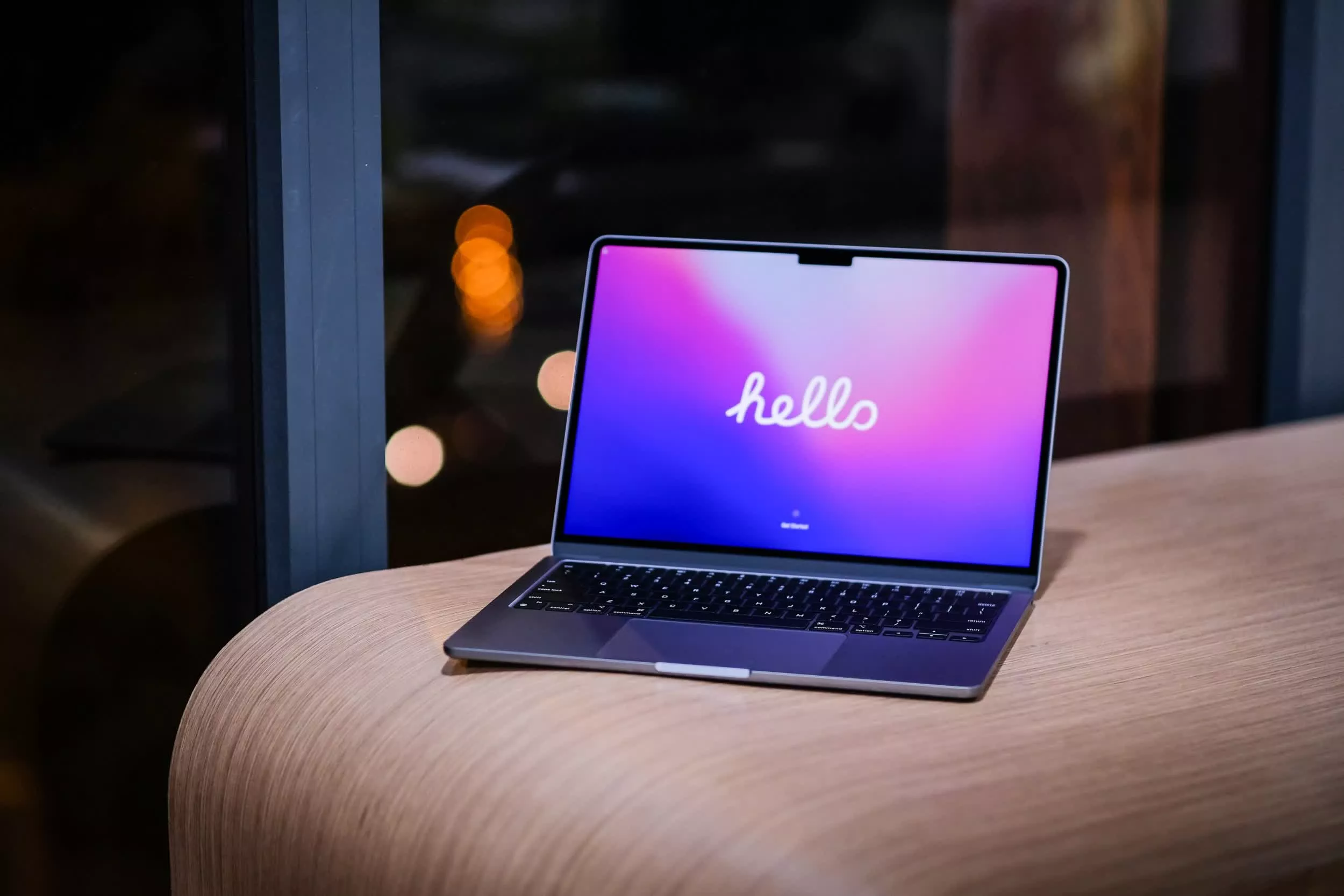
A recent trigger is the first touchscreen MacBook Pro, announced last week and described by Apple's product release. The machine adds OLED touch, Dynamic Island and mobile-style interaction elements. In the earnings call, Arete Research analyst Richard Kramer asked whether the added iOS-like features — touch, Dynamic Island and Siri AI — pointed toward deeper fusion. John Ternus replied that Apple is “not planning any fundamental changes,” and added that the company would not discuss such a plan in advance even if one existed.
What do the financial signals say?
Apple's fiscal 2026 Q4 results strengthen the separate-platform interpretation. According to Apple's fourth-quarter release, the numbers were reported on November 2, 2026, and the company framed the period as the capstone of its best fiscal year. Reported segment figures show Mac revenue of about USD 10.8 billion, up 24 percent, while iPad revenue was about USD 6.2 billion, down 10 percent. These data points do not prove strategy by themselves, but they explain why Apple may prefer to protect two distinct buying motions.
| Signal | Mac | iPad | Strategic read |
|---|---|---|---|
| Fiscal 2026 Q4 segment revenue | USD 10.8B, up 24 percent | USD 6.2B, down 10 percent | Mac is benefiting from refresh demand; iPad needs clearer post-iPadOS 26 positioning. |
| Product motion | First touchscreen MacBook Pro last week | Keyboard-and-mouse laptop-like usage | Apple can borrow mobile design without changing platform identity. |
| Software motion | OLED touch and Dynamic Island | Windowed multitasking since iPadOS 26 | Convergence is feature-level, not system-level. |
| Cost and supply | New premium OLED touch models | Memory-cost pressure on hardware margins | Unified OS savings are theoretical; device cost and supply risk are immediate. |
Why Apple may keep the platforms separate
There are three practical reasons.
- Clear positioning: Apple earns different margins and purchase intent from Mac and iPad; forcing one operating system could blur the value of both.
- Control: iPad's long-term app economy depends on App Store distribution, and Apple has kept tighter control over mobile platforms than desktop platforms.
- Execution risk: A merged system would need to preserve professional Mac workflows and touch-first iPad simplicity; that is a far larger compatibility challenge than adding Handoff.
How competitors frame the question
Microsoft has spent years trying to make Windows serve tablets and laptops. Google has recently pushed Android onto laptop experiences. Those approaches show that a single operating system is not automatically better. Many observers argue Apple has the strongest tablet and desktop software ecosystems and could, in theory, build the most polished hybrid. But Apple may also be the most cautious, because its separate businesses are already monetising different needs. This is CompanyWatch analysis based on reported product signals.
Common misconceptions
- Shared hardware does not mean one operating system.
- Touch on Mac does not turn macOS into iPadOS.
- Cross-device features are not the same as platform unification.
- A future merger is not implied just because a CEO has changed.
- Cost-saving speculation is weaker than ecosystem and control considerations.
What should watchers track next?
Actionable checklist for investors, analysts, business-development teams and channel partners:
- Watch the language in Apple earnings calls: “best product” signals separation; “single platform” would be a shift.
- Track Mac and iPad revenue mix after the first touchscreen MacBook Pro cycle and after iPadOS 26 feature adoption.
- Check where new AI and Siri features land first — macOS, iPadOS or iPhone — because that reveals platform strategy.
- Monitor supply-chain comments, especially memory costs, OLED panels and component allocation.
- Watch App Store rules for iPad and Mac-specific features, not only developer-tool convergence.
FAQ
Is Apple going to merge iPadOS and macOS?
No. Currently, John Ternus said Apple has no plan for a fundamental change.
Does the first touchscreen MacBook Pro mean Mac and iPad are becoming one?
No. It means Apple is testing mobile interactions on a Mac; macOS remains the platform.
Could Apple change its mind in the future?
Any change would need to clear software, developer and support constraints. The safer forecast is feature sharing across devices.
Why does this matter for business readers?
It affects product roadmaps, app strategy, accessories and IT purchasing for devices inside the Apple ecosystem.
What is the biggest near-term risk?
Supply and component costs could pressure iPad and Mac margins more directly than operating-system convergence.