
CompanyWatch Playbook: A Six-Step Audit of Disney's Make the holidays magic
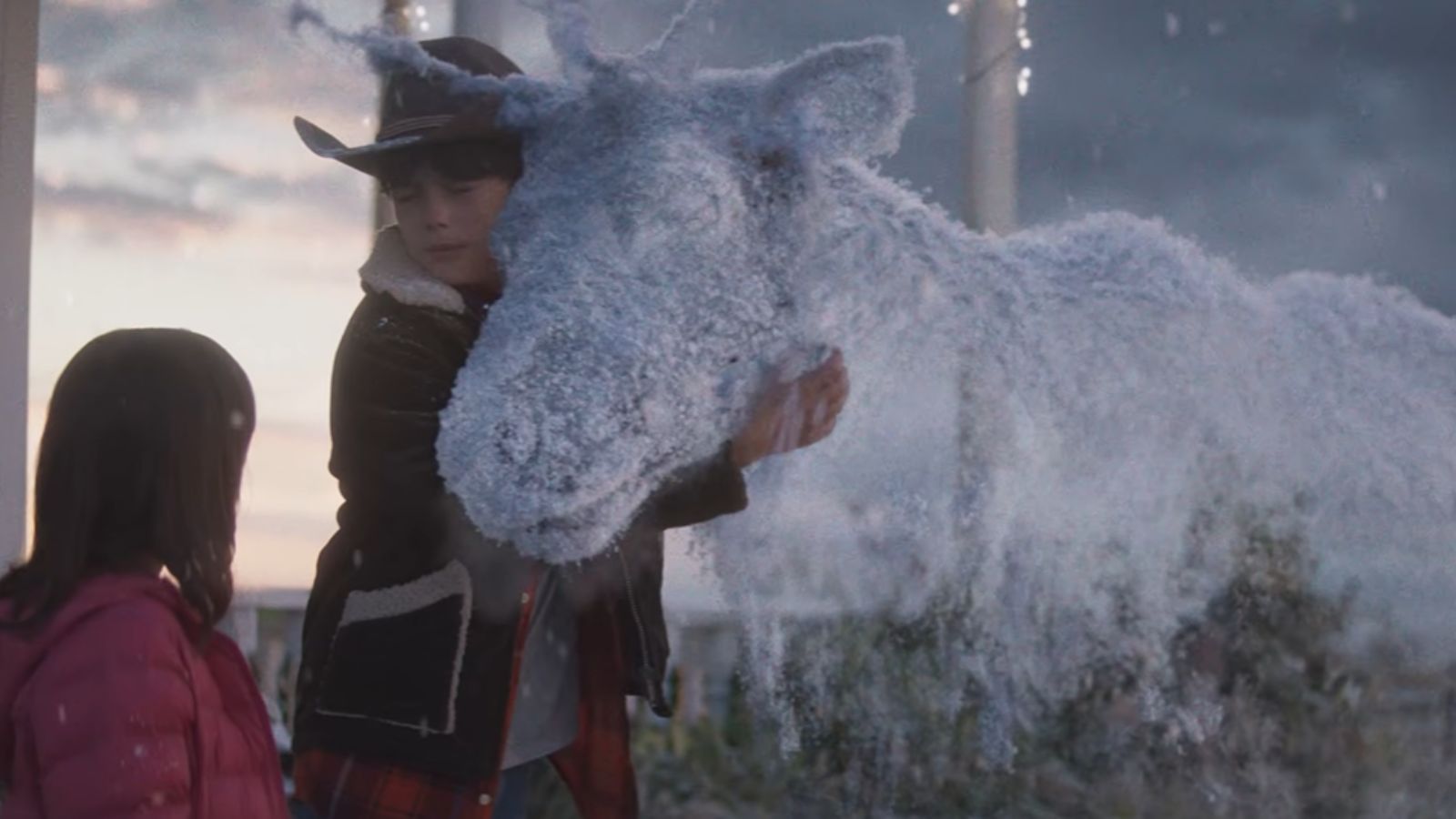
Disney's Make the holidays magic, launched on 9 November, is not a growth lever. It is a coordination test: one creative idea pushed through theme parks, streaming, television, retail and giving programmes at the same hour. No reported line isolates its result, so the campaign should be audited as an operating model, not scored as a revenue event. What follows is the method, the checklist and the traps.
Begin with the awkward number. In the year-ago quarter Disney reported $22.5 billion of revenue, roughly flat against fiscal 2024, while Disney+ and Hulu operating income rose 39% to $352 million and Linear Networks' operating income fell $107 million (CNBC, 13 November 2025). Profit moved hard while the top line barely moved. That is the condition under which brand-side spending gets approved: the objective is habit retention, not new demand.
What did Disney actually put into the market?
The unit of work is a film; everything else is distribution built around it. A Disney holiday short: The invisible horse, directed by Dougal Wilson, runs about three minutes and was made with the agency adam&eve\TBWA (Ad Age, 9 November 2026). It follows Jack, a boy who believes he has left Christmas magic behind, until an invisible creature restarts his imagination and draws him closer to his family. Childhood wonder and family connection are the product message; the commercial message is that one idea can be sold in five places at once.
| Surface | What ran | Verifiable signal |
|---|---|---|
| US parks | Mickey's very Merry Christmas party at Walt Disney World Resort; the return of A Christmas fantasy parade at Disneyland Resort | Seasonal overlay without new permanent capital, so watch per-capita spending rather than attendance alone |
| International parks | Disney enchanted Christmas at Disneyland Paris in Paris; Disney winter Frostival back at Shanghai Disney Resort in Shanghai; festive entertainment including Toys wondrous Christmas! at Tokyo Disney Resort in Tokyo | Local-language festive programming; treat non-US resorts as brand-health evidence first |
| Cruise | Select Disney Cruise Line sailings add holiday-themed experiences and entertainment | Holiday sailings are pre-priced high-season inventory, not a discount channel |
| Streaming and TV | Disney+, Hulu, ABC and Freeform carry classic Christmas films, new festive releases and seasonal specials | December viewing hours and retention, not install spikes |
| Retail and publishing | Disney Store and Disney Publishing work with licensees and retailers including Mattel and Jazwares on toys, apparel, accessories, books and collectibles | Sell-through and markdown depth in the final week before 25 December |
| Giving | Partnerships with Make-A-Wish, Blue Star Families and Toys for Tots, supported by events, performances, talent appearances and toy drives | Wishes granted and toys collected; disclosure is thin and usually self-reported |
One surface worth adding to that inventory is social commerce. Disney staged its first TikTok Shop Super Brand Day from 4 to 10 November, pooling Disney Store merchandise with more than 20 partner brands such as Old Navy and Crocs under the same holiday umbrella (Marketing Dive, 29 October 2026). Gifting behaviour is now measurable inside a feed, which changes who controls the shelf.
Why is this a governance story before it is a creative story?
Short answer: because of who now owns the budget. In January 2026 Disney folded marketing for film, television and its business units into a single enterprise organisation and named Asad Ayaz chief marketing and brand officer of The Walt Disney Company, reporting to chief executive Bob Iger (Disney press release, 14 January 2026). This is the first seasonal campaign that crosses every reported segment under that one roof.
Ayaz framed the work as continuity rather than expansion. “Disney has long been part of the traditions, memories, and moments that make the holiday season so special for families around the world,” said Ayaz.
“This season, we're bringing the best of Disney together to give families more ways to make the holidays magic: a trip they'll talk about for years, a new favorite to watch together, the perfect gift under the tree and, for the children and families who need it most, a wish come true.”
Two consequences matter more than the sentiment. First, measurement ownership sits with one team, so cross-surface reach becomes comparable. Second, creative cost is pooled: the short film is produced once and amortised across parks, streaming and retail. If that structure holds, the next read-through is a lower marginal cost per seasonal campaign.
Where does the money show up?
Nowhere on its own, and that is the trap. Disney's FY2025 Annual Report notes that Experiences revenues generally rise in the company's first and fourth fiscal quarters, so most of the holiday demand triggered on 9 November lands in the quarter that closes at the end of December and is reported in February. Full-year and fourth-quarter fiscal 2026 results arrive before market open on 17 November 2026, and will not contain this campaign (investors.thewaltdisneycompany.com, 12 October 2026).
The demand backdrop is reasonably friendly: the National Retail Federation forecasts that US retail sales in November and December 2026 will grow 4.2% over 2025, reaching $1.013 trillion (NRF, 15 October 2026). Against a rising market, a flat holiday print is the informative outcome, not a positive one.
Three terms used loosely in coverage, defined plainly: operating income is segment profit after direct costs but before corporate overhead; sell-through is the share of shipped goods actually bought by consumers; per-capita spending is what one guest spends inside the gate.
How to audit the campaign in six steps
- Fix the accounting window first. Identify which fiscal quarter each surface reports in, before judging whether the campaign "worked".
- Count surfaces, not assets. One film serving parks, streaming, retail and charity is a coordination win even if incremental revenue is unmeasurable.
- Separate owned, licensed and joint-venture economics. Tokyo and Shanghai do not consolidate the way Florida and California do, so our read is to score those two resorts on brand health rather than revenue.
- Track channel structure, not just volume. Retail demand that migrates from Disney Store to marketplace feeds shifts margin and data ownership, not only sales.
- Demand disclosure on the giving component. Wish counts and toy-drive totals should be tied to prior-year figures, since comparable numbers are the only ones that exist.
- Benchmark creative format cost. Compare hand-drawn, stop-motion and hybrid live action against reuse potential across languages and markets.
What to verify in the first 30 days
- Whether holiday park inventory sold at list price or moved into discounting and date-change offers.
- December retention on Disney+ and Hulu around the seasonal specials, separated from subscriber adds.
- Ratings for the ABC and Freeform festive specials versus the same slots in 2025.
- Sell-through and markdown depth for Mattel and Jazwares licensed lines, plus Disney Publishing festive titles.
- Whether any performance metric from the TikTok Shop activation is disclosed at all; absence of disclosure is itself a data point.
- Reuse signals: if the same short film returns next year, the cost curve, not the creative, is what changed.
Common mistakes when reading a holiday campaign
- Attributing fourth-quarter park revenue to marketing rather than to calendar and pricing power.
- Treating charitable partnerships as free goodwill while ignoring the event, talent and logistics cost behind them.
- Reading a global campaign as global economics: a Paris overlay and a Shanghai Frostival respond to different consumer budgets.
- Judging the short film by awards instead of by how many surfaces and languages it can serve.
- Expecting an earnings line to appear on 17 November 2026, when the campaign sits in a later reporting period.
How do PRADA's and Levi's holiday campaigns compare?
Disney is not alone in using storytelling and animation this season, and the format choices are an argument about production economics.
| Brand and campaign | Format | Why it was chosen |
|---|---|---|
| Make the holidays magic, built on A Disney holiday short: The invisible horse | Hybrid live action with a creature effect | One narrative must stretch across parks, streaming, retail and charity |
| PRADA, Drawing Prada: Animated by hand for the 2026 holiday season | Traditional hand-drawn animation blended with live action and illustrated winter scenes, featuring brand ambassadors | Craft signalling at low media weight; a house style asset |
| Levi’s, Let’s get fuzzy | Stop-motion following Fuzzyeti, known as Gus, a larger-than-life outsider turned welcomed guest | Character-driven warmth that showcases sweaters and layered looks without heavy location cost |
Three companies converged on animation in the same news week. Animated assets cross languages and markets without reshoots, which is the closest thing to a shared cost curve that holiday creative has.
FAQ: what readers actually ask
Is Make the holidays magic a Disney+ push?
No. Streaming is one of four surfaces alongside parks, retail and giving, and Disney+, Hulu, ABC and Freeform all carry festive content rather than a single platform exclusive.
Will the campaign show up in the 17 November 2026 results?
Not in any separable way. Fiscal fourth-quarter results end before the holiday selling season, and the demand the campaign creates is reported in the following quarter.
Why a short film instead of a Christmas TV special?
Because a film can be cut down for feeds, lengthened for parks pre-shows, and reused in store environments. Ownership of a single hero asset lowers the marginal cost of every additional surface.
Does the charity component move numbers?
It moves costs and reputation, not revenue. Make-A-Wish, Blue Star Families and Toys for Tots partnerships are supported by events, performances and toy drives, and Disney does not report them as a financial line.
The one reminder before you price this in
Do not pay for tradition as if it were growth. Watch February, not November: if per-capita spending and December retention hold while the promotional calendar gets more crowded, the coordination paid off; if discounting widened instead, Disney bought visibility it cannot monetise. One campaign does not change the thesis, and anyone who tells you it will is reading press releases rather than quarters.
Sources cited
- Disney press office: Make the Holidays Magic campaign
- Disney: new enterprise marketing organisation, Asad Ayaz named chief marketing and brand officer
- Ad Age: inside Disney's holiday strategy
- CNBC: Disney Q4 fiscal 2025 earnings
- Disney fiscal 2025 annual report
- Disney investor relations: fiscal 2026 fourth-quarter results date
- NRF: November and December 2026 holiday sales forecast
- Marketing Dive: Disney's TikTok Shop holiday experience