
GlobalBizSight CompanyWatch: A Practical Guide to Nvidia’s Buyback Debate and Data-Center Policy Risk
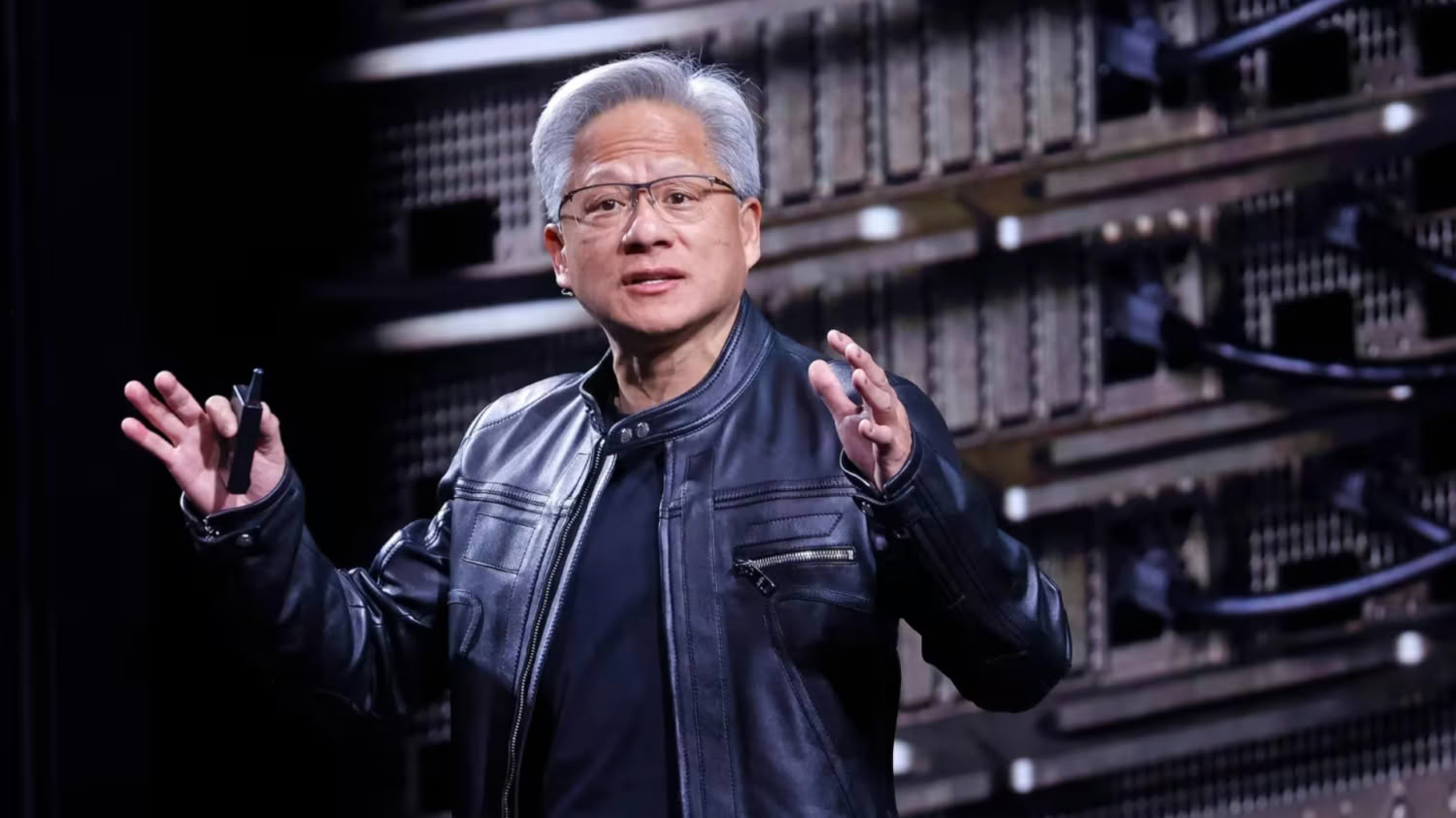
For a company watcher, Nvidia’s move is a repricing of AI infrastructure risk, not just a falling chart. A 9.26% Thursday close at $181.60 puts shares approximately 25% below October 6’s $243.37 high and erases $1.39 trillion, with the debate now centered on buyback response and data-center constraints.
What changed in the Nvidia story on Thursday?
The most readable answer starts with market mechanics. A single-session decline of 9.26% is not a rounding error for any large-cap business, but it becomes more meaningful when measured against the prior high. On October 6, the shares reached $243.37; by Thursday, the close was $181.60. That is approximately a 25% drop from the high. The company lost $446.94 billion in one day, nearly $450 billion, and $1.39 trillion since the October peak. That is nearly $1.4 trillion of value removed. Year-to-date, the stock is down 2.40%; over the past year, it is down 6.75%.
- Price anchor: $243.37 high, $181.60 close, 9.26% Thursday move.
- Value anchor: $446.94 billion single-day loss, $1.39 trillion from peak, nearly $1.4 trillion.
- Duration anchor: year-to-date decline 2.40%, over-the-past-year decline 6.75%.
For a CompanyWatch file, the point is to separate event risk from trend risk. Thursday’s move was an event; the policy discussion is a trend. Investors need a checklist that tracks both.
Why is the buyback argument gaining attention?
Buyback talk became visible because Cramer argued on X that when a company’s shares are seen as the best value asset available, the firm should use its capital to buy them. The company name in that debate was Nvidia, and the argument was practical rather than ideological: “Nvidia can buy back shares, keep adding to buybacks, or let the stock slide.”
A practical guide should not treat that sentence as proof of a repurchase. A buyback is a decision path: authorized, budgeted, executed, disclosed and tested against alternative uses of cash. Public reporting in late September said Nvidia had a $150 billion repurchase authorization, according to Yahoo Finance. If such authorization exists, the question for watchers is execution pace, not headline size. A board authorization does not equal daily buying, and daily buying can be paused without a public announcement.
What data-center policy risk is driving the repricing?
The central new risk in this episode is not an Nvidia product failure. It is a constraint on the locations where customers build AI capacity. Citi Research has recorded that, as of October, localities across the United States had already exceeded 500 bans or pauses tied to data-center construction. The same source noted that such measures were almost zero in mid-2025. That change is material: it moves the discussion from isolated objections to a pattern of community, legal and political resistance.
An additional tracker, Electric Choice, reported 575 active restrictions across 46 states as of October 15, 2026. The exact count depends on how “restriction” is defined, but the direction supports the Citi signal. For a company watch, this is a supply-chain governance variable: if projects pause, deployments slow, and chip demand can be pushed into a later cycle even when the underlying technology remains attractive.
| Signal | Why it matters | How to read it |
|---|---|---|
| Share price and market value | Shows sentiment reset | Compare close, high, single-day loss and YTD move |
| Buyback commentary | Suggests management may respond to valuation | Require authorization plus disclosed repurchases |
| Local permit pauses | Affects customer deployment timing | Count cases, map states, track duration |
| Election outcomes | Can convert local concern into state policy | Follow Texas and national calls after midterm elections |
How political dynamics became a business risk
The political thread is concrete. In Texas, Democrat Gina Hinojosa promised during the campaign that she would pause all data-center approvals until legislators passed protective rules. She then defeated incumbent Greg Abbott. After the midterm elections, Senator Bernie Sanders again called for a nationwide pause. Representative Yasmin Ansari, an Arizona Democrat, urged her party to push a “ban artificial superintelligence” measure.
These are not all identical policies. A pause, a national ban and an AI-specific prohibition carry different legal weight. But markets can respond to the probability that future approvals will be slower, costlier or contested. That is why an analyst should record the wording, not only the headline.
Checklist: how to turn this into a monitorable update
Use a five-step process for each Nvidia-related update:
- Reset the baseline: capture the October 6 high, the Thursday close, the 9.26% fall and the approximately 25% drawdown.
- Quantify value loss: list $446.94 billion for the day, $1.39 trillion since the high, nearly $1.4 trillion.
- Check corporate response: distinguish Cramer’s buyback argument from disclosed repurchases; compare any authorization with actual execution.
- Map policy sources: track Citi Research’s count of more than 500 U.S. local actions and independent trackers such as Electric Choice.
- Watch implementation: look for state legislation, permit decisions, power-connection delays and customer deployment language.
Common misconceptions to avoid
- “The buyback talk proves buying.” It does not. Commentary can increase pressure on management, but it is not a corporate disclosure.
- “A large policy count equals a national law.” More than 500 local restrictions does not mean federal legislation passed; it means the operating environment has become less predictable.
- “A 25% fall is only noise.” For a company near the centre of AI capital expenditure, a drawdown of that size changes the debate about financing, risk tolerance and growth expectations.
- “The decline is only Nvidia’s problem.” It is also a customer-side signal: if data-center builds face delays, chip demand timing can move even when order interest remains.
Action recommendations for professionals watching the story
For investors, the first action is to build a two-layer tracker: one layer for Nvidia’s balance-sheet response, another for customers’ project environment. The balance-sheet layer should follow buyback disclosures, cash allocation and any change to guidance. The project layer should follow local moratoriums, state legislation and power-connection constraints. A practical trigger list should include any disclosed repurchase amount, any national pause proposal moving beyond rhetoric, and any customer statement about delayed deployment.
For corporate strategy teams, the same event is a lesson in external governance. A hardware leader can be affected by zoning, elections and utility queues. The response should include scenario planning: what happens if customer capacity additions are delayed by 90 days, six months or a year? What contracts, financing terms or supply commitments would need to be renegotiated? GlobalBizSight CompanyWatch recommends treating this as a policy-linked business cycle signal, not a single-day market story.
FAQ: what readers ask about the Nvidia repricing
What is the simplest explanation for the recent Nvidia decline?
It was a valuation reset around AI infrastructure risk. The market moved from a bullish assumption that data-center capacity would expand smoothly to a more cautious view that permitting, politics and power constraints could slow customer projects.
Why does Jim Cramer’s buyback comment matter?
It shifts attention to corporate capital allocation. A buyback can support the share price if it is executed, funded and transparent. The comment alone is not enough; the watcher needs disclosure and pace.
What numbers should a company-watch note keep?
At minimum, keep the 9.26% fall to $181.60 on Thursday, the $243.37 October 6 record, the approximately 25% drawdown, the $446.94 billion one-day loss, the $1.39 trillion decline, nearly $1.4 trillion, the 2.40% year-to-date fall and the 6.75% fall over the past year.
Does “more than 500 restrictions” mean the whole industry is blocked?
No. It means local actions have multiplied. Citi Research reported more than 500 U.S. bans or pauses as of October, up from almost zero in mid-2025. The business impact depends on where the restrictions apply, how long they last and whether customers can shift projects.
References
- Electric Choice, “Data Center Moratoriums and Restrictions”, October 15, 2026: https://www.electricchoice.com/datacenters/moratoriums/
- Yahoo Finance, “Nvidia Announces Largest Buyback In History. Cramer...”, September 28, 2026: https://finance.yahoo.com/markets/stocks/articles/nvidia-announces-largest-buyback-history-151728562.html
- GlobalBizSight CompanyWatch analysis based on the master market data cited in this article.