
GlobalBizSight CompanyWatch: Zhiyuan G2 Max Data Shows Humanoids Moving From Demos to Warehouses
By Marc Hale, GlobalBizSight CompanyWatch
Zhiyuan’s Genie G2 Max is a data point for enterprise robotics: 20kg single-arm payload, 40kg rated dual-arm payload, 50kg peak and ≤±0.5mm repeatability. IT Home reported today, October 26, that it runs on multiple production lines and reached a success rate above 99% in e-commerce warehousing, making it useful for tracking commercialization, safety compliance and supply-chain automation demand.
What changed at Zhiyuan in the G2 Max release?
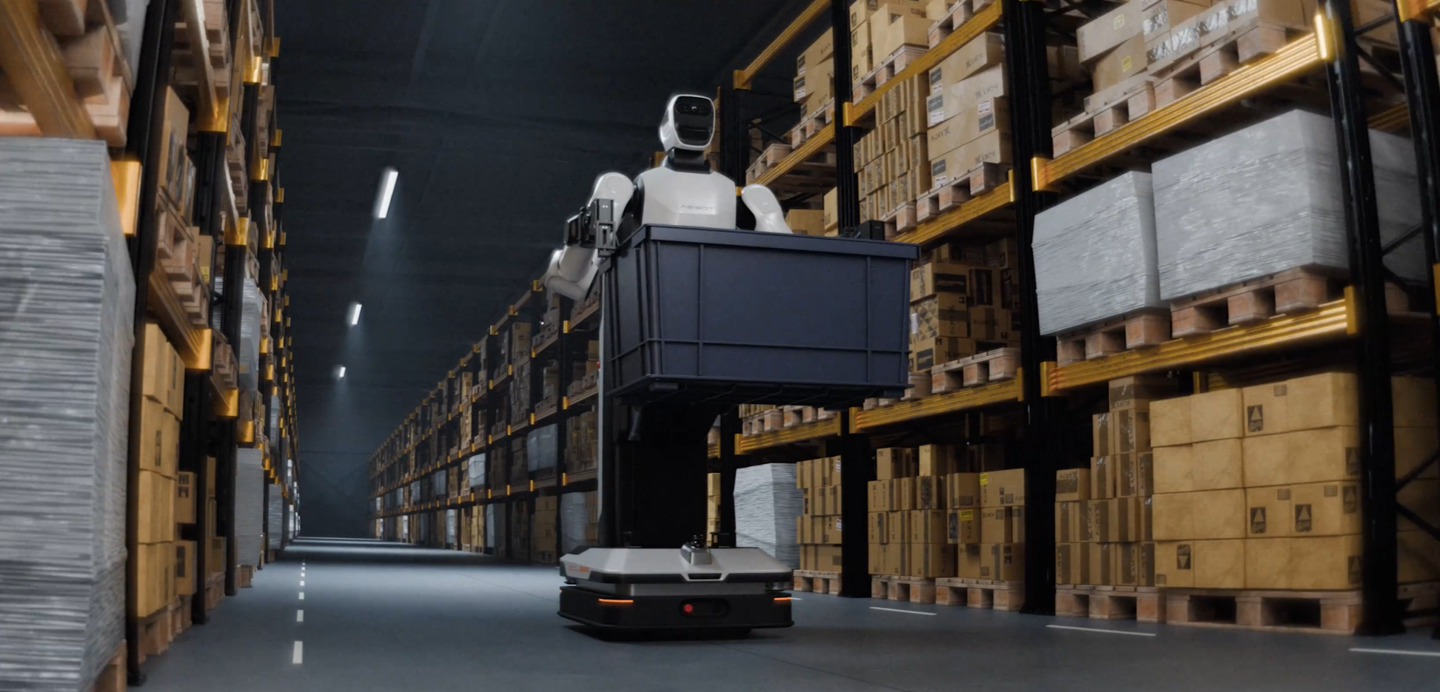
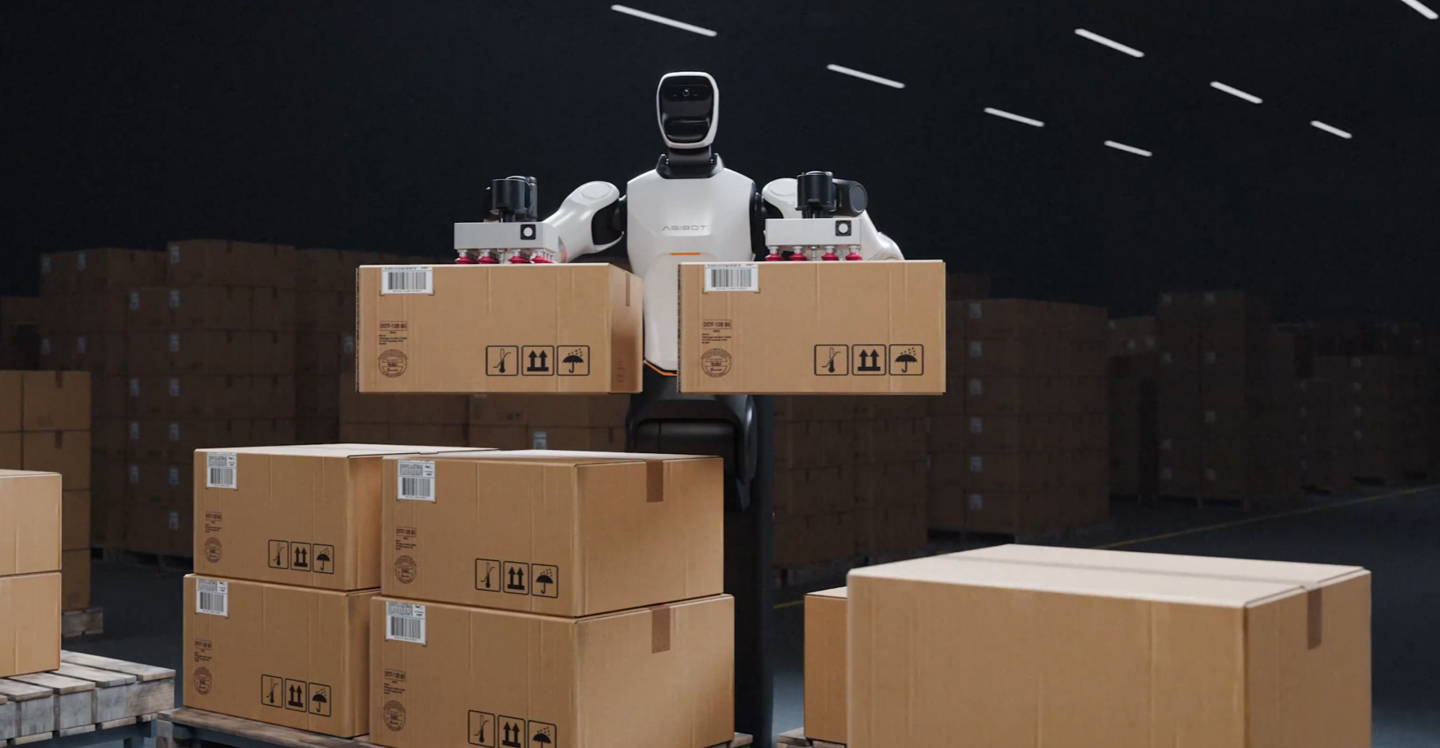
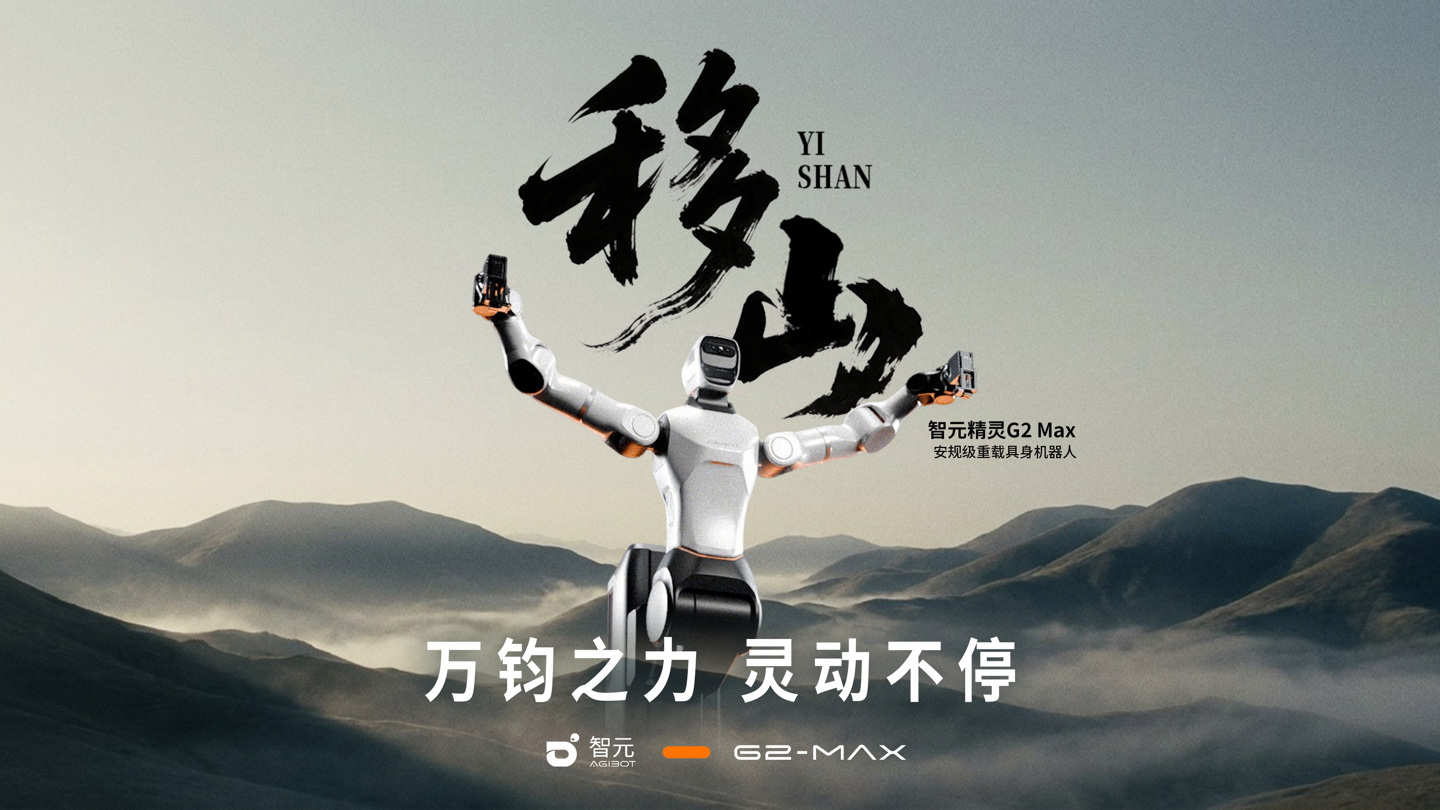
The release moves Zhiyuan from proof-of-concept humanoid demonstrations toward a machine judged by industrial procurement: can it lift standard loads, return to the same point, stay compliant near people and keep operating across shifts? IT Home’s report describes the Genie G2 Max as a safety-certified heavy-duty embodied robot for destacking, material transfer and production-line feeding. That framing matters because it turns marketing language into measurable requirements.
What do the payload, accuracy and throughput data show?
The conclusion is simple: the headline figures point to a machine designed for tote-level material handling, not general-purpose manipulation. A 20kg arm and a 40kg rated dual-arm system fit most standard industrial boxes, while the ≤±0.5mm repeatability is the kind of specification needed for stable stacking and line feeding. The vendor’s 80 boxes per hour destacking and 75 boxes palletizing figures give a first throughput benchmark, but they remain scenario-dependent.
| Reported metric | Value | Commercial reading | Data caveat |
|---|---|---|---|
| Single-arm payload | 20kg | Targets standard tote handling and case loading. | Need customer tote weights and end-effectors. |
| Rated dual-arm payload | 40kg | Covers many batch-moving tasks without oversized fixtures. | Translog says the figure can cover more than 95% of industrial totes and components; that is vendor framing. |
| Peak dual-arm payload | 50kg | Useful for occasional heavy items and transfer peaks. | Peak does not mean continuous rated duty. |
| Arm repeatability | ≤±0.5mm | Supports palletizing, feeding and precise placement. | Real accuracy depends on calibration, box deformation and vision. |
| Warehouse success rate | Above 99% | A rare concrete operating result in e-commerce storage. | The SKU mix, shift length and exception rate are not disclosed. |
| Continuous operation | 24 hours | Addresses night-shift and labor-scarcity pressure. | Needs battery swap, maintenance and staffing for exceptions. |
Why does the JD Logistics Zhilang Warehouse rollout matter?
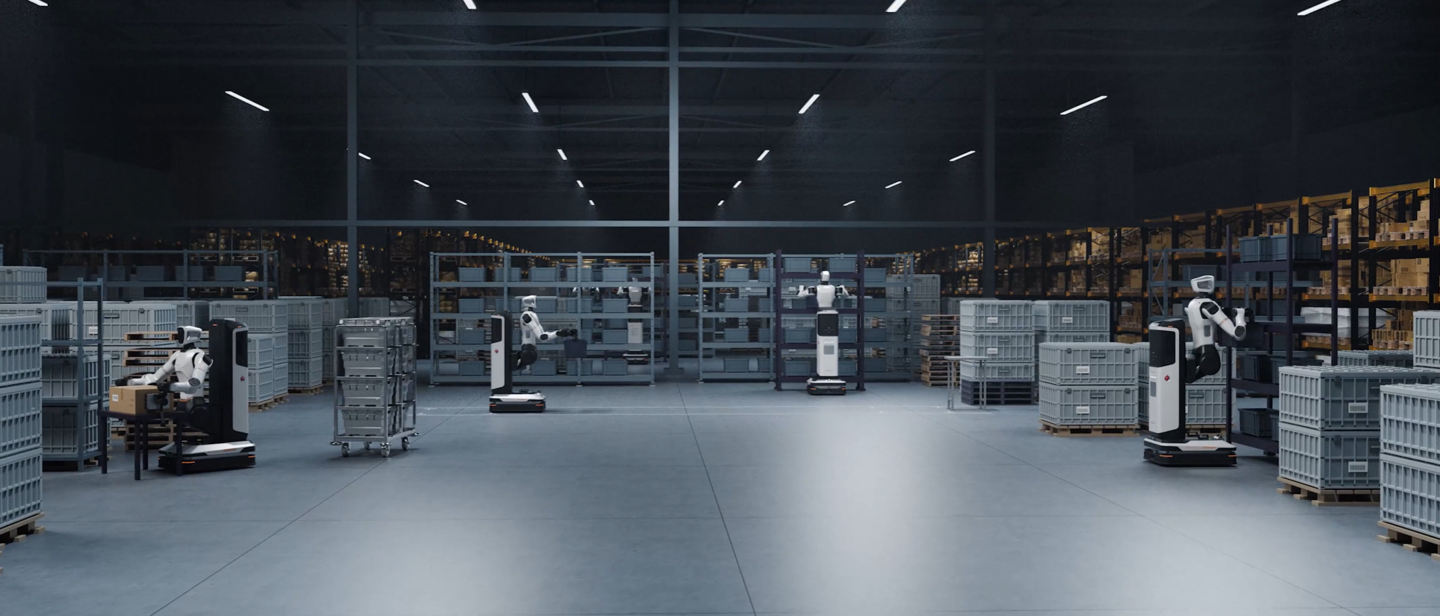
Because a named, large-scale customer turns specifications into a deployment story. This July, at the 2026 World Artificial Intelligence Conference (WAIC), JD Logistics and Zhiyuan jointly introduced the Genie G2 Max and announced it would be applied at the JD Logistics Zhilang Warehouse. Coverage from Tencent News describes it as the first time a humanoid robot has been deployed in a real warehouse production scenario, with the robot working alongside inbound automation rather than replacing the entire warehouse system.
That distinction is important for CompanyWatch. Zhiyuan’s near-term commercial case is less about a fully autonomous humanoid warehouse and more about fitting into existing conveyors, automated storage and goods-to-people software. The product materials say the robot can complete handling and palletizing around the clock, but value still depends on how many exception loops require human intervention.
Tencent News also reported that the Zhilang warehouse footprint includes scaled deployment across Beijing, Wuhan, Chengdu and the UK. If those locations become reference sites, the robot can be evaluated against different labor-cost structures, inventory turnover rates and regulatory environments, not just one Chinese flagship warehouse.
What additional product details matter beyond the headline specs?
A second layer of useful information came from NetEase tech reporting after the October 26 launch: the robot is linked to Genie Studio 2.0 for faster task configuration, dual-battery hot-swapping for round-the-clock operation, and a working envelope reaching roughly 2.5m vertically. These are not cosmetic features. For factory buyers, they affect commissioning cost, downtime and whether a robot can reach high racks without new racking.
Another vendor-side data point from Translog is that the 40kg dual-arm payload is positioned against a market where many handling robots struggle with full industrial totes. If true in customer sites, it could shorten replacement decisions. If not, it may simply mean customers add another robot class.
What company-level strategic signals can be drawn?
- Product strategy: Zhiyuan is competing on industrial usability, not novelty. The payload, repeatability, safety and shift-continuity metrics form a procurement checklist.
- Customer strategy: JD Logistics provides a high-credibility beachhead. Public deployment at the JD Logistics Zhilang Warehouse can be used in sales conversations more easily than lab videos.
- Moat or risk: Safety compliance may become a barrier to entry. Robots that can operate near workers without full guarding may win space-constrained retrofits.
- Service economics: Fast setup, hot-swap batteries and software tooling could shift revenue from hardware units to deployment services and recurring support.
What are common misconceptions about these data points?
- Peak load equals steady-state load. A 50kg peak is not the same as 40kg rated operation; buyers must test duty cycles and fatigue.
- A success rate above 99% proves universal performance. It reflects a disclosed e-commerce warehousing scenario, not all SKUs, all warehouses or all shift conditions.
- 24 hours equals no labor. It removes continuous manual lifting, but still likely requires supervision, exception handling and maintenance.
- One anchor customer equals product-market fit. It proves deployment feasibility, but not repeat orders, margin, or scalability across different warehouse geometries.
What should investors, analysts and BD teams watch next?
For GlobalBizSight CompanyWatch, the useful follow-up metrics are transactional and operational rather than aspirational. The first should be paid, repeat deployments outside the first reference site, because a single warehouse can absorb customization costs that second and third sites expose.
- Count paid installations and repeat purchase cycles, not just pilots.
- Track mean time between human interventions and exception rates by SKU category.
- Measure tote compatibility: dimensions, weights, deformable packaging and mixed pallets.
- Watch safety documentation, insurance terms and incident disclosures, especially for people-working environments.
- Monitor whether JD Logistics Zhilang Warehouse metrics such as step reduction and throughput can be independently audited.
For enterprise buyers, the safest pilot is narrow: one inbound lane, a defined box range, clear baseline labor hours and a 90-day measurement window. If the robot cannot beat that baseline on safety-adjusted cost per box, the headline specs do not solve the business problem.
Frequently asked questions
What payload can the Genie G2 Max carry?
Zhiyuan reports a 20kg single-arm payload, a 40kg rated dual-arm payload and a 50kg peak dual-arm payload. The rated figure is the more meaningful number for long shifts.
How fast is it in warehouse work?
In the disclosed e-commerce warehousing data, the robot reached a success rate of more than 99%, with 80 boxes per hour destacking and 75 boxes palletizing.
Where has the robot been applied?
The robot is linked to the JD Logistics Zhilang Warehouse and multiple production lines, according to the October 26 release covered by IT Home and JD Logistics materials.
What is the biggest commercial risk?
The biggest risk is scenario specificity. A 99% result in one warehouse may not transfer to fragile goods, very small SKUs, non-standard packaging, or environments where regulatory review slows deployment.
Reference sources
- IT Home: Zhiyuan releases heavy-duty embodied robot Genie G2 Max
- Tencent News: JD Logistics and Zhiyuan deploy humanoid robot in warehouse scenario
- Sina Finance: JD Logistics and Zhiyuan robot application report
- NetEase: Product details on Genie Studio 2.0, hot-swap batteries and working range
- Translog: 40kg dual-arm payload positioning for industrial totes