
GlobalBizSight Sector Deep Dive: How Memory Inflation Turned Meizu, Asus and Black Shark into Exit Cases
Memory inflation did not merely squeeze smartphone margins; it removed the bargaining space on which niche makers depended. Meizu, Asus and Black Shark became exit cases because their shipment volumes could not absorb storage cost, while Huawei, Apple and other scale brands could. For GlobalBizSight readers, the lesson is a decision framework: when one component moves from input cost to structural constraint, firms must test price power, product mix and core-business survival.
What is the niche-phone exit case file?
The first great purge came around 2019, when domestic niche brands were pushed out after a decade of competition.
- Gionee collapsed within one year after its blow-up; at bankruptcy, total liabilities reached nearly RMB21.1 billion.
- Meitu published a farewell letter on Weibo, authorizing the Meitu phones brand to Xiaomi Group.
- Smartisan was acquired by ByteDance, replaced its legal person, saw core members leave, and Luo Yonghao exited the phone industry.
- 360's phone business was reportedly suspended; the official response said it was temporarily delayed, and no new model followed.
At that moment, the head table had formed. Brands that could not get a seat folded. This year, a second purge arrived; unlike 2019, it may be the last.
Meizu: a 23-year arc ends with strategic transformation
In February, after two days of public debate about a stalled phone line, Meizu responded. It said it would pause domestic new-phone R&D and move toward strategic transformation. Before the statement spread, Meizu had already canceled the Meizu 22 Air launch; with Meizu 23 not facing the market, the brand's hardware future looked terminal.
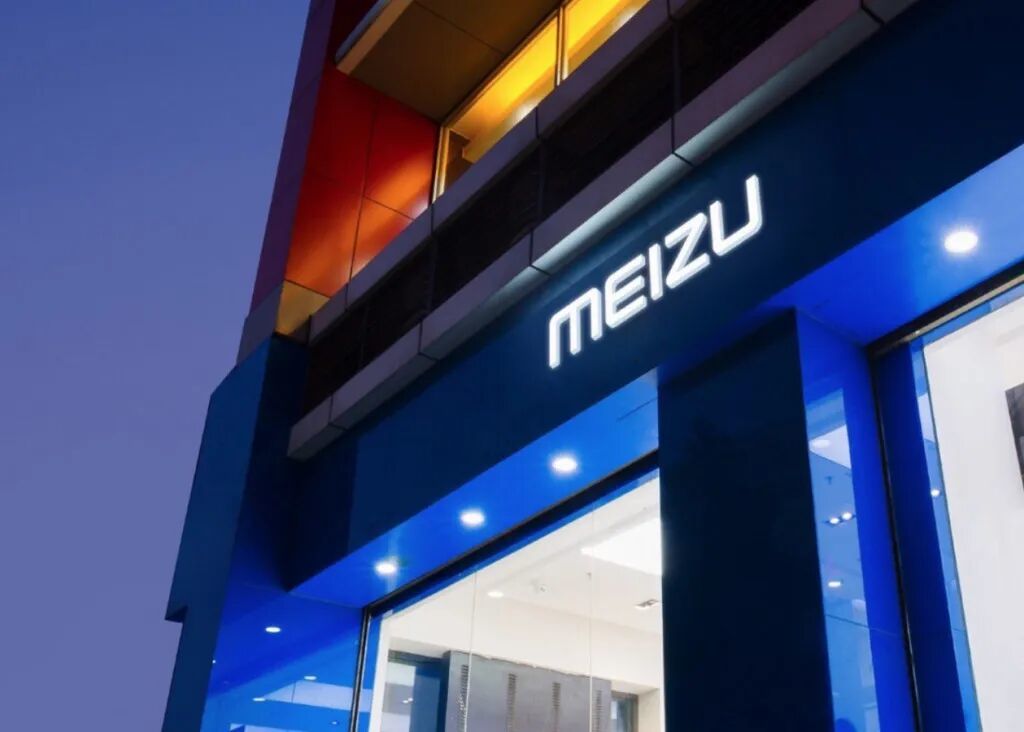
Meizu, 23 years after its founding, has had a turbulent arc: early fame, strategic drift, diluted brand tone, weak sales, founder-led revival, management conflict, then dependence on sentiment. Three years ago, Geely acquired Meizu and formed Xingji Meizu Group. Its then chairman and CEO Shen Ziyu set a three-year target: return to the top five in domestic mid-to-high-end market. That target did not materialize.
Asus: two years of drift made withdrawal rational
For two years, Asus's phone business struggled on both sides of the value proposition. In the value-for-money fight, the ZenFone series could not move against mainland China brands' broad model cadence and tight cost control. In the innovation fight, it could not fund imaging, folding-screen and other frontier R&D at giant scale. Product refreshes slowed, and voice faded.
Inside Asus, the phone line had few new moves since last year. As inventory cleared, withdrawal became almost unavoidable.

Black Shark: the gaming-phone bellwether goes quiet
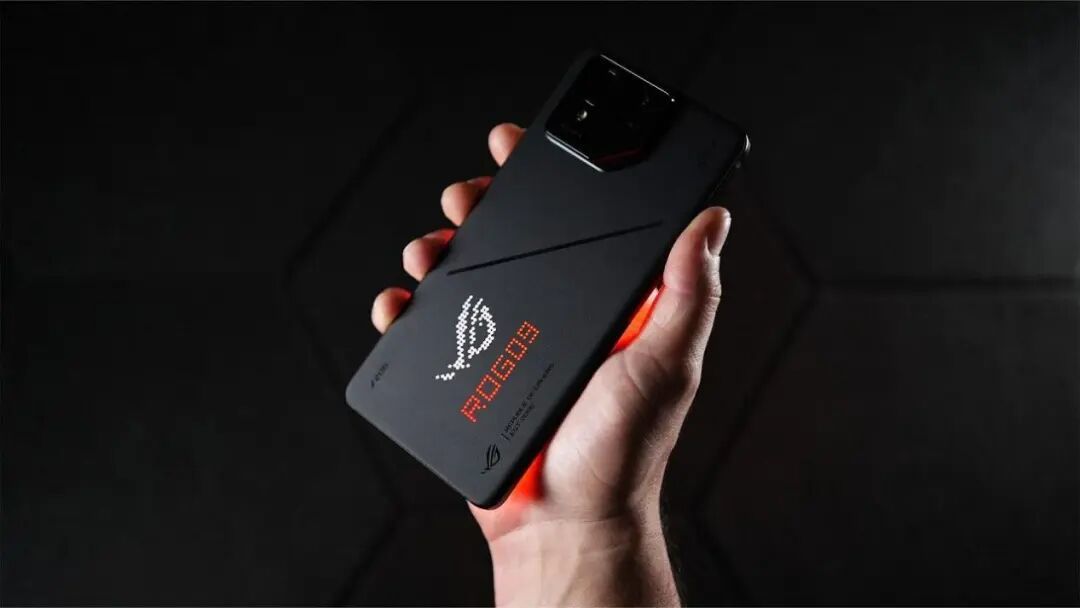
In June, Black Shark issued an announcement on Black Shark Community server upgrades and service migration, saying the community would temporarily stop being accessible. In July, Nanchang Black Shark Technology Co., Ltd. technical-support engineer account Black Shark Xirui said the company would stop official after-sales repair and related services for the phone category because of deep business restructuring. The notice was dated July 28, 2026, and official storefronts moved toward cooling clips, earphones and power banks.
Black Shark's last phone release was in 2022. The Black Shark 6 planned for 2023 was killed after teasers. Over the past few years it produced no phone, and its exit barely moved the market. It took two years for the gaming-phone cohort to shrink to one visible survivor, Red Magic. In these years, apart from brands with giant parentage, niche smartphone names are nearly gone; Asus, Black Shark and Legion all lost ground as mainstream devices absorbed gaming features.
How concentrated did the remaining market become?
The smartphone pie shrank, and demand concentrated. IDC data for 2025 China smartphone shipments show a more concentrated structure.
| Maker | 2025 China shipment | Implication |
|---|---|---|
| Huawei | 46.7 million units | Scale plus channel power |
| Apple | 46.2 million units | Premium pricing absorbs cost |
| vivo | 46.1 million units | Channel efficiency |
| Xiaomi | 43.8 million units | Ecosystem scale |
| OPPO | 43.4 million units | Supply-chain discipline |
These 5 makers captured 79.4% of the 2025 China smartphone market. Other brands did not just lose volume; they lost access to the pricing and financing conditions that keep a device line viable.
The same pattern appears in North America. Apple has long been the default winner, and its share rose these years. In Q1 2022, the cited dataset put Apple Intelligence smartphone shipments at 19.9 million units, with 51% market share. By Q4 2025, Apple captured 69% of the market, a historical high. When mainstream makers fill gaps, niche segments have no counterattack space.
Why did storage cost become the last blow?
Since last year, memory supply tightened and prices surged. Big makers can spread cost over tens-of-millions-scale shipments; niche makers have almost no bargaining power in the supply chain. They may miss preferential pricing, and sometimes miss allocation entirely. An employee at a leading smart hardware company said: "industry rumors say small makers cannot get any memory now, big makers can only buy at a premium, and downstream products must rise as well."
Niche phone makers usually cluster in low-end and mid-range models, where margin is already thin. After memory costs jumped, the phone line became a loss-making activity.
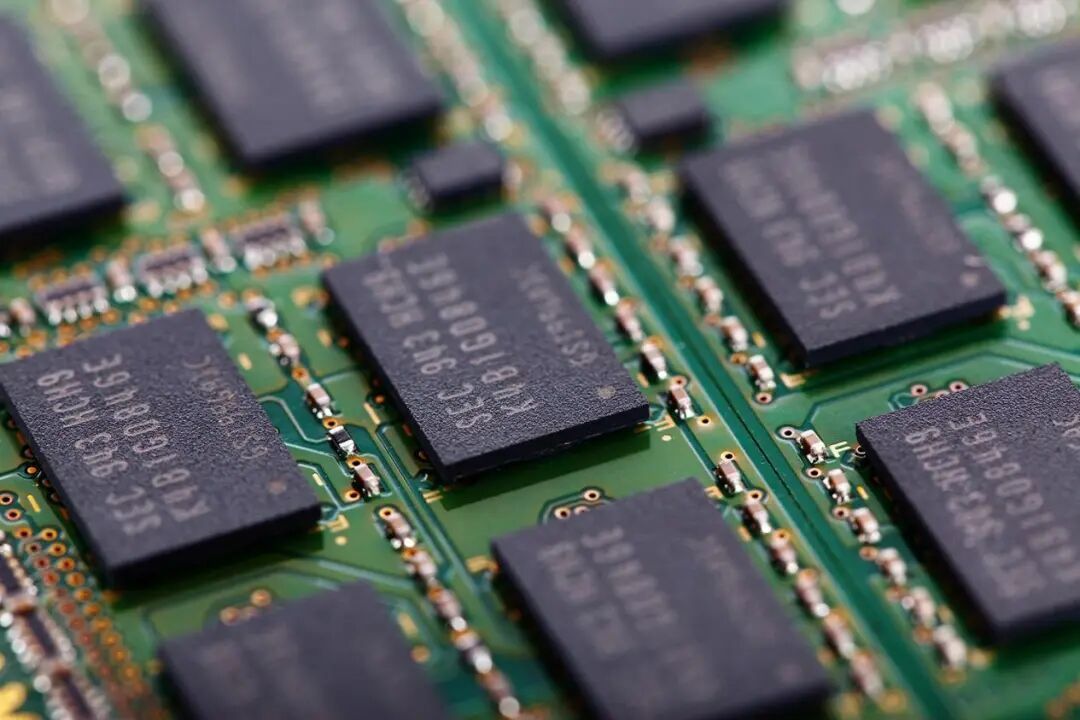
IDC estimates the storage-cost share in low-end models rose from 10% to 15% to 40% to 50%. Omdia estimates the ratio for models priced below USD99 is above 64%. Omdia's July 2026 note adds the demand consequence: global smartphones priced below USD400 are expected to decline by 22%, while devices below USD100 may fall nearly 31% year on year. The weaker the brand, the weaker its ability to pass cost to consumers.
This is the hardware version of a broader stress pattern discussed in our Europe's 2026 chip crisis cases: several ordinary pressures—memory supply, price elasticity, channel liquidity and demand timing—combine into one crisis.
Can scale still protect a large brand?
Scale helps, but it can also create a liquidity trap. Transsion is the clearest example. To secure memory, it emptied reserves and borrowed, putting pressure on the cash flow. Financials show that in the first three quarters of this year, operating cash-flow net outflow widened from less than RMB5.9 billion in the first half of this year to nearly RMB9.9 billion, while the year-ago period showed a net inflow of RMB3.285 billion.
Stockpiling does not lower cost; it only buys a time gap. If a company cannot complete price adjustment and product-structure repair inside that window, inventory becomes another liability. The same dynamic appears in our AI hardware working-capital lag analysis: capital can pile up before finished-system revenue catches up.
Why did core business become the priority?
The memory storm also hit PCs. In a PC, nearly 40% of the cost can be consumed by memory and storage, pushing system prices up and suppressing replacement demand. Memory pressure has moved from a component problem to a structural contradiction.
Asus's PC position is awkward. The top three positions are long occupied by Lenovo, HP and Dell; Apple remains separate through its closed ecosystem; Asus leans on gaming laptops. As a once-dominant main-board maker, Asus faces a system-level shrinkage in the consumer PC board market under AI demand concentration. DIGITIMES expects the four major consumer PC motherboard makers—Asus, Gigabyte, MSI and ASRock—to ship 28% less in 2026, a combined decline of about 11.7 million boards. Asus shipped 15 million boards in 2025, more than 5 million boards in H1 2026, and may barely defend 10 million boards for the full year, down 33%. AI-server business growth is the main offset.
Against that background, phone business looks like a burden. Asus's phone revenue share was long-term below 10%, and the segment kept losing money without stable profitability. In 2018, chairman Jerry Shen acknowledged phone-business failure; the annual report carried a one-time restructuring loss of about TWD6.2 billion, about RMB1.36 billion. Cutting the unprofitable phone line to protect the core business is the rational choice.
Where is the boundary between exit and restructuring?
Lenovo is a close parallel. Its AI phone line grew, but global smartphone rankings place it in Others; its consumer voice is weak, and it keeps only limited volume in some overseas markets. Its AIoT product line is broad, but no national-level hit has emerged. The rise of computing business cannot hide the imbalance in its consumer hardware.

Growth, highlight, turning point and decline: Asus and Meizu, now under Geely, have made choices; Lenovo may still be watching; ZTE has started to act. A few days ago, reports said ZTE Corporation was discussing phone-business cooperation with an internet company, and the plan could involve packaging ZTE's phone business. The choice is no longer whether to keep a small brand dream; it is whether a core business can afford the distraction.
What should decision-makers avoid?
Common mistakes
- Mistake: believing loyal fans can offset component inflation. Meizu, Black Shark and Asus's niche lines showed that sentiment does not buy memory allocation or pricing power.
- Mistake: treating stockpiles as strategy. Transsion's cash outflow shows inventory can convert market risk into financing risk.
- Mistake: adding gaming or AI features without scale. Mainstream flagships absorb these features, erasing the reason for a separate category.
Action recommendations
- Run a BOM stress test: set a memory-cost ratio red line, such as the 40% to 50% low-end threshold already identified by IDC, and pre-plan price, specification or SKU cuts.
- Measure pass-through elasticity before launching a new model: if a device below USD99 already carries an above 64% memory-cost exposure, assume demand will fall.
- Choose a core-business hierarchy: if a device line is long-term below 10% revenue and persistently loss-making, management should be able to stop it without brand mythology.
- Track liquidity, not only sales: operating cash flow, channel credit and allocation priority decide survival more than launch dates.
Frequently asked questions
Why did memory cost hurt niche phones more?
Niche phones lack tens-of-millions-scale volumes, discount access and allocation priority. The same component price increase is harder to amortize and harder to pass to price-sensitive buyers.
Did Meizu fully exit the phone market?
The company said it would pause domestic new-phone R&D and pursue strategic transformation. Meizu 22 Air was canceled and Meizu 23 would not be sold, but the announcement centered on transformation rather than a brandless shutdown.
Is the gaming-phone category over?
Red Magic remains the visible survivor, but Black Shark's service stop and Asus's broader retreat show that standalone gaming phones have little room once mainstream flagships absorb cooling, performance and control features.
What should investors watch next?
Watch three indicators: memory BOM share, operating cash-flow direction, and whether a maker can raise price or shift mix before inventory financing tightens.
Reference sources
- IDC China smartphone shipment data as reported by Jiemian: IDC 2025 China smartphone shipments.
- Omdia memory-cost note: Global smartphones priced below $400 will decline by 22% as memory costs soar.
- Black Shark service notice: Black Shark phone after-sales stop report.
- Motherboard shipment forecast: DIGITIMES-related shipment outlook summary.
By Marc Hale, GlobalBizSight.
The end of niche phones is not only a nostalgia event; it is a cost-structure verdict. Meizu, Asus and Black Shark each had different histories, but they now share the same reading: when component inflation removes the last discount, the market does not punish only bad products. It punishes firms that cannot convert scale into pricing, supply, and survival.