
Adobe MAX 2026 Sneaks: A CompanyWatch Q&A on Whether Adobe's Intelligent Creative Assistant Belongs on Your 2027 Roadmap
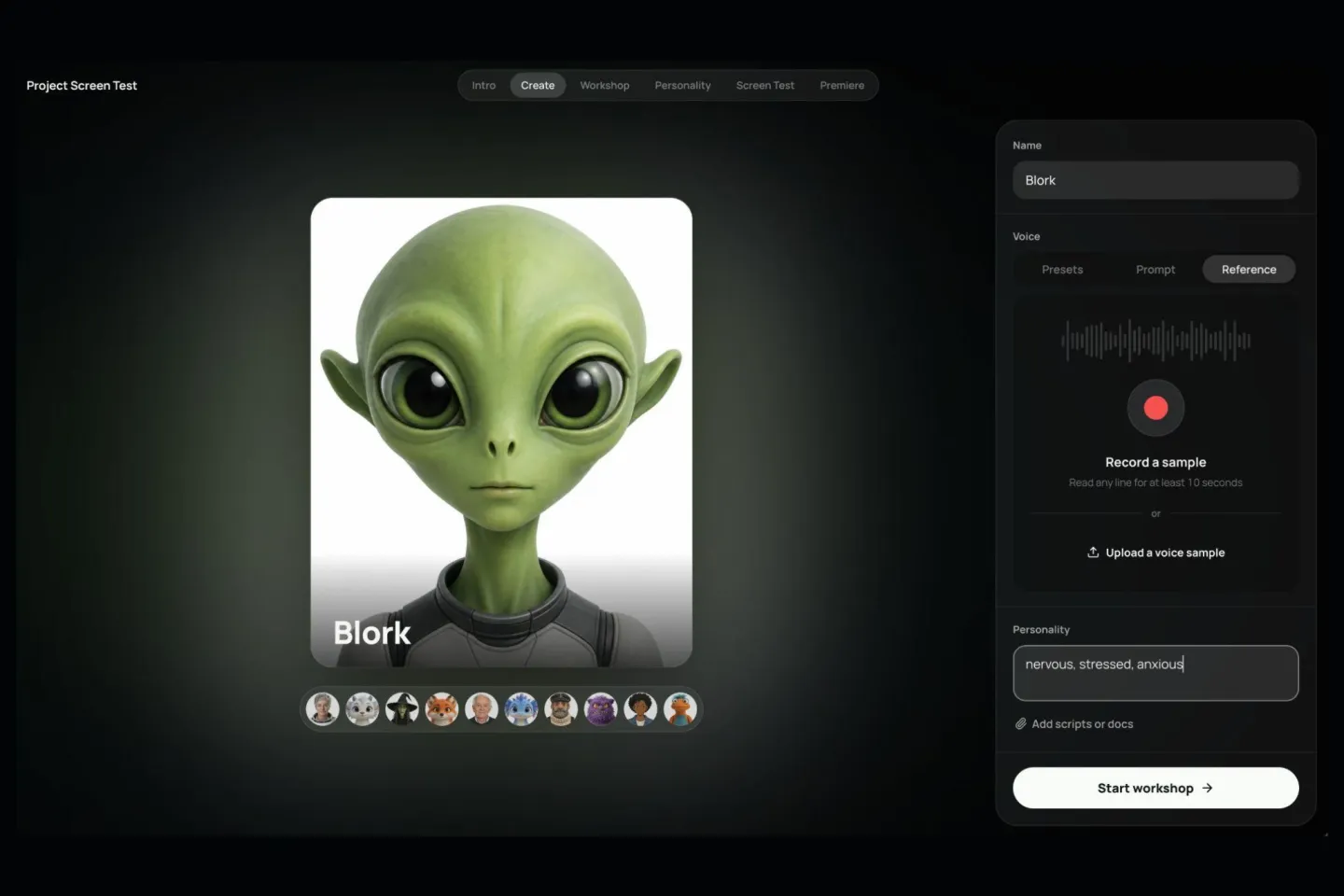
Short answer: track the technology now, budget for it only once it reaches Photoshop, Premiere Pro, Illustrator or Firefly with licence terms attached. At the MAX conference in Miami Beach on 10-12 November 2026, Adobe's Sneaks slot showed an intelligent creative assistant that reads design intent, stretches one idea across formats, obeys brand rules and behaves less like a tool than like a digital partner. None of it is a purchase you can close today.
Zoom out and the pattern is older than generative AI. Roughly once a decade the creative software business moves a step further from selling buttons and a step closer to selling outcomes: desktop publishing in the 1990s, cloud subscriptions in the 2010s, single-prompt generation in the early 2020s. What Adobe staged at MAX 2026 is the next step, which is delegation. In Adobe's framing, an intelligent creative assistant accepts a goal rather than a keystroke, plans the intermediate steps itself and returns something reviewable. The company-level question is not whether the demos are clever, but whether the transfer of routine production work is something you can buy, govern and price inside the next planning cycle.
What did Adobe actually put on the Sneaks stage?
The one-line answer: fewer manual steps, and more judgement handed to the system. Six clusters from this year's experiments stand out, and each maps to a cost line rather than to an artistic preference.
- Intent reading and task planning. A creator describes an idea in natural language, and the system plans its own route through material handling, image adjustment and content generation - work that previously meant moving files between several applications.
- Cross-media extension. A static design becomes animation; a long video becomes a set of platform-ready short clips. This attacks versioning cost, usually the largest hidden item in a content budget.
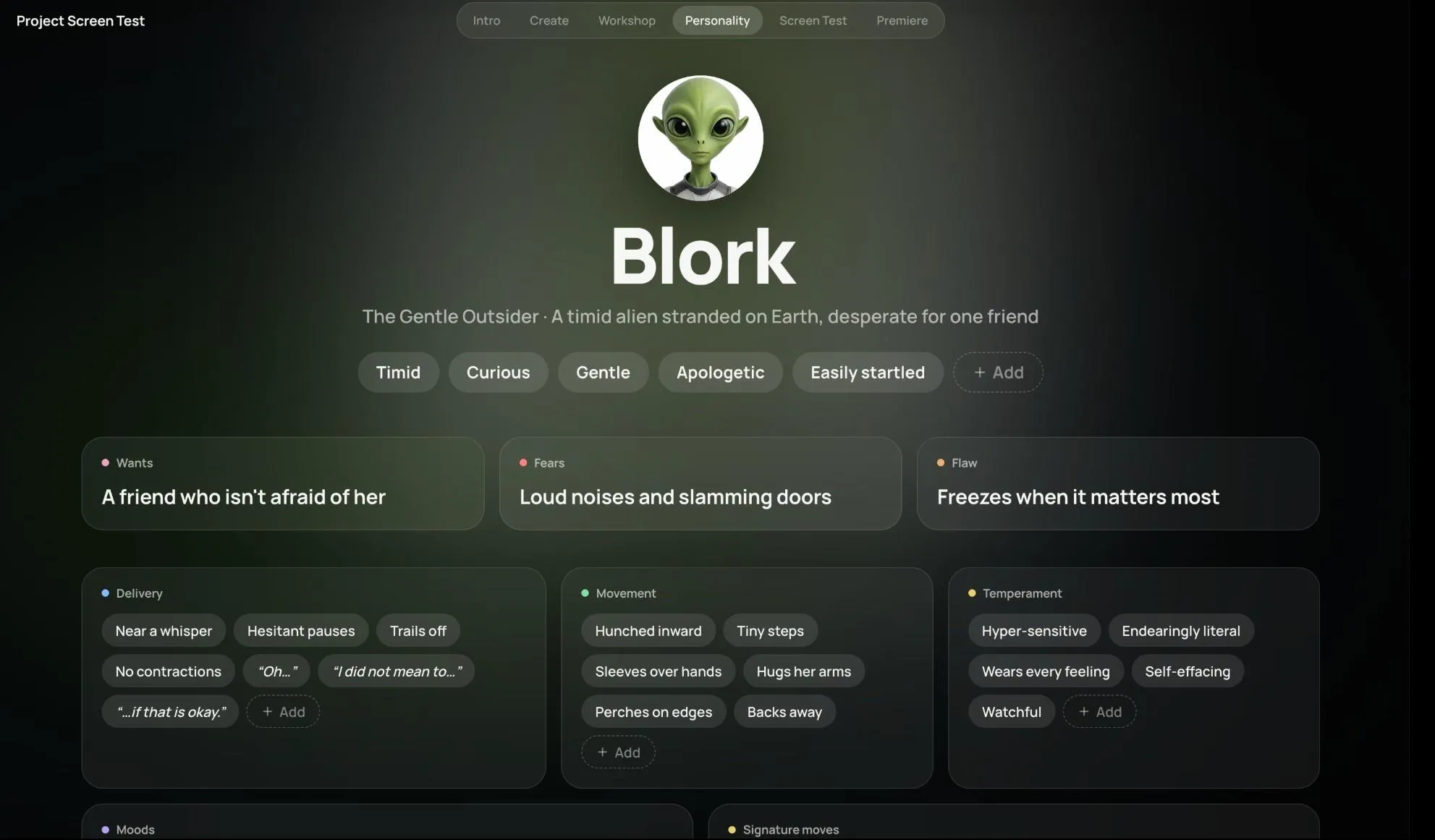
- Brand-rule compliance. The tool recognises an established visual style and automatically carries approved colour, type and design elements into new work, aimed at large-scale production where consistency is still policed by people.
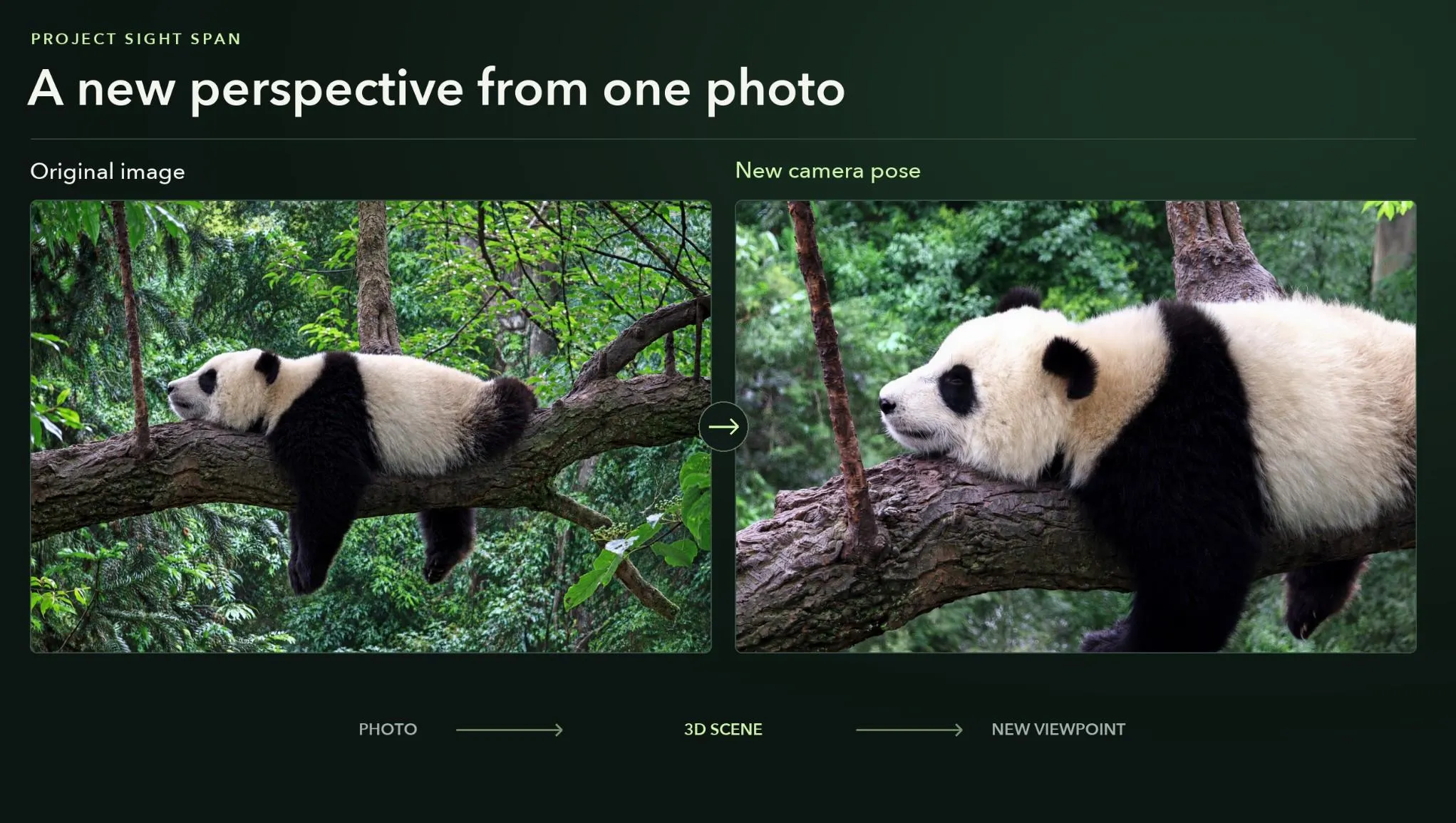
- Relational image understanding. Instead of separating subject from background, the model reads how objects in a frame relate to each other, so removal, replacement and regeneration look more natural.
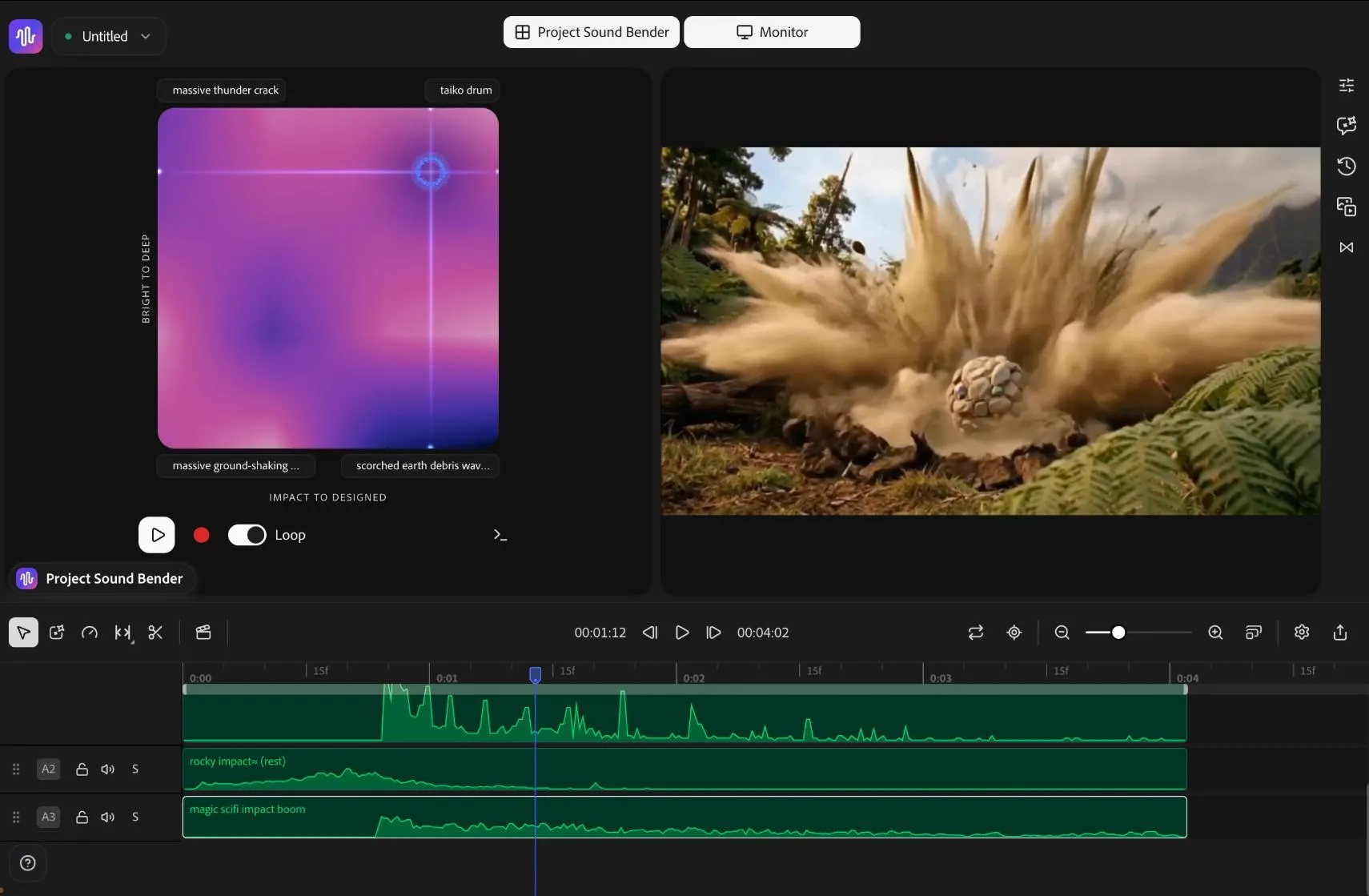
- Video assembly. Shot lists generated from text, sequence ordering, transition fill and a first rough edit, all intended to shorten the distance between an idea and a viewable cut.
- Proactive assistance. The system analyses project state, flags likely problems and proposes fixes to the team, which is the working seed of the digital partner idea.
Read together, the show says Adobe is trying to move from one-shot content generation towards agent systems that understand a target, plan a workflow and execute across applications.
Why is Adobe pushing the assistant idea right now?
Because the installed base it must defend is enormous, and AI compresses precisely the labour that base pays for. Adobe's fiscal 2025 annual report puts Digital Media segment revenue at $17.65 billion, up from $15.86 billion a year earlier, and the results released on 10 December 2025 reported Digital Media annual recurring revenue of $19.2 billion at the close of the fourth quarter. Growth of that order cannot come from selling the same interface to the same designer pool.
External pressure is equally concrete. Model vendors increasingly price generation by the second of output rather than by the seat, a shift we unpacked in our breakdown of per-second video model pricing, while general assistants are already being pointed at editing timelines. Adobe's response at the MAX conference went beyond the demo floor: alongside the Sneaks reel, the company expanded its Creative Agent capability across Firefly and Creative Cloud, shipped adjacent features such as Relight, Color Mode and Co-editing, and previewed local Model Context Protocol integration that would let third-party agents act on native project files, with private testing planned for early 2027. The Verge read the same set of announcements as Adobe committing fully to agentic AI.
Which experiments map to which products, and how quickly?
Conclusion first: the Sneaks floor is a forecast, the keynote is the order book. Adobe has not promised commercialisation for these projects, yet the product surface each demo is converging on is identifiable, and past MAX showcases have fed real releases in Photoshop, Premiere Pro, Illustrator and Firefly.
| Sneaks theme | Product surface it converges on | What changes inside your team | Signal to watch |
|---|---|---|---|
| Natural-language task planning | Creative Agent in Firefly and Creative Cloud | Briefs enter the app instead of a ticket queue | Whether multi-step runs can be logged and reviewed |
| Cross-media extension | Firefly, Premiere Pro | Versioning stops consuming junior hours | Credit or volume cost per extra format |
| Brand-rule compliance | Illustrator, enterprise templates | Brand staff move from policing to approving | Whether your own style library can be trained in |
| Relational image understanding | Photoshop | Fewer manual composites per campaign | Parity with the current manual route |
| Storyboard and rough cut | Premiere Pro | A reviewable first cut exists before editing starts | Rights status of generated frames |
| Local agent access to project files | Creative Cloud file layer and MCP | Outside assistants can touch live client work | Early-2027 private test; permissioning model |
What do Sneaks demos never show?
Three things that decide whether an impressive experiment survives contact with procurement: licensing, permissions and price geometry.
- One interface does not mean one set of cover. Adobe's enterprise product documentation lists partner models, meaning third-party generative models surfaced inside Firefly Creative Production for Enterprise, next to Adobe-built ones. Adobe's published intellectual-property indemnity applies to eligible Firefly features and outputs, while terms for partner models are set separately. Any team that records generated in Firefly as a single compliance answer will eventually be wrong.
- Agent access is file access. The moment an assistant can open a layered project, the credentials it runs under matter as much as the pixels it produces. Before a pilot, ask for role scoping, audit logs and an opt-out at workspace level - the same control argument that buyers are pressing on other platforms, as our report on whether users can switch a vendor's AI off without losing the core service illustrates.
- The money may move off the seat line. If value shifts to generation volume and agent runs, renewal economics change even if list prices hold.
Four misconceptions about Adobe Sneaks
- Misconception one: it is on sale. Most Sneaks items are internal previews; Adobe has not committed to shipping every project.
- Misconception two: Sneaks is the roadmap. It is a research showcase at the MAX conference. The roadmap signal is which idea reappears as a keynote feature in the following cycle.
- Misconception three: the assistant replaces editors. Adobe's stated aim for the video work is to shorten the distance between idea and finished piece, not to remove the person who judges it.
- Misconception four: brand compliance is a nice-to-have. In a multinational content operation it is a headcount line, because it replaces template policing with approval sampling.
What should creative and IT leaders do before 2027?
Run a shadow evaluation, not a rollout. Five actions, in order:
- Choose one versioning workflow with a cost per asset you can already measure - typically one long-form video repurposed for four platforms.
- Execute it twice, once on the current manual route and once with assisted generation, and record rework rounds rather than raw minutes saved.
- Ask, in writing, which model produced each asset and which licensing terms and indemnity apply to it.
- Send any agent-with-file-access trial through security review before the creative team books the demo.
- Hold the pilot outside your master licence until commercial terms are fixed, and re-check the position at the next product milestone.
Two worked examples. A consumer brand running regional content teams in several markets is the natural first user of the brand-rule experiment: the benefit is not prettier artwork but a shorter approval loop, and the failure mode is a style library the model was never trained on. A small in-house studio is the natural first user of cross-media extension: turning one 12-minute interview into eight platform cuts is the least glamorous, most repeatable saving in the whole showcase. Both cases still assume a human signs off, which is the honest way to model the benefit today.
CompanyWatch FAQ: short answers for a buying decision
Can we buy the intelligent creative assistant today?
No. The projects shown under Sneaks are experimental, and Adobe does not commit to commercialising them. What is purchasable now is the adjacent shipping layer: Creative Agent capability, Photoshop features such as Relight, and Firefly access to a mix of Adobe and partner models.
Does this change how we should read Adobe's direction?
It confirms a direction already visible in the products. The company is repositioning from a per-seat tool vendor towards the orchestration layer of content production, where its financial scale sits: Digital Media revenue of $17.65 billion in fiscal 2025 gives it room to fund that transition longer than most rivals.
What single indicator matters most over the next 12 months?
The early-2027 private test of local Model Context Protocol access. If it opens with proper permissioning and audit trails, agent-written work becomes an auditable part of production; if it stalls, the digital partner concept stays on the demo floor.
Should we delay a renewal waiting for these features?
Rarely. Renew on your existing utilisation, then price the assistant in at the next cycle once its commercial form is known. Waiting for a demo is a poor reason to pause a workflow you run every week.
Bottom line for the decision layer
Do not judge this showcase on novelty. Judge it on handover: how much of your production chain you are prepared to run on software that must be reviewed rather than operated, and on what terms. The split in this market will not run along the technology, but along who can turn that technology into infrastructure nobody can leave - and 2026 is the year Adobe began openly bidding for that position.
Sources
- Adobe, fiscal 2025 annual report (Digital Media segment revenue): https://www.adobe.com/cc-shared/assets/investor-relations/pdfs/adbe-10k-fy25-final.pdf
- Adobe fourth-quarter and fiscal 2025 results release, 10 December 2025: https://www.adobe.com/cc-shared/assets/investor-relations/pdfs/01215202/a54gu6y5tegrrf.pdf
- Adobe MAX 2026 conference details, 10-12 November 2026, Miami Beach: https://max.adobe.com/faq/
- Adobe newsroom, Creative Cloud agentic workflow announcements: https://news.adobe.com/news/2026/11/adobe-transforms-creative-cloud-tools
- Adobe Help Center, partner models in Firefly Creative Production for Enterprise: https://helpx.adobe.com/firefly/web/work-with-enterprise-features/creative-production/partner-models-in-firefly-creative-production-for-enterprise.html
- Adobe Firefly product description, intellectual-property indemnity terms: https://helpx.adobe.com/legal/product-descriptions/adobe-firefly.html
- The Verge on Adobe's agentic AI push at MAX: https://www.theverge.com/tech/1030593/adobe-max-ai-agents-mcp-firefly-assistant-updates